The protective layer for a wide range of applications
Thermal lamination film
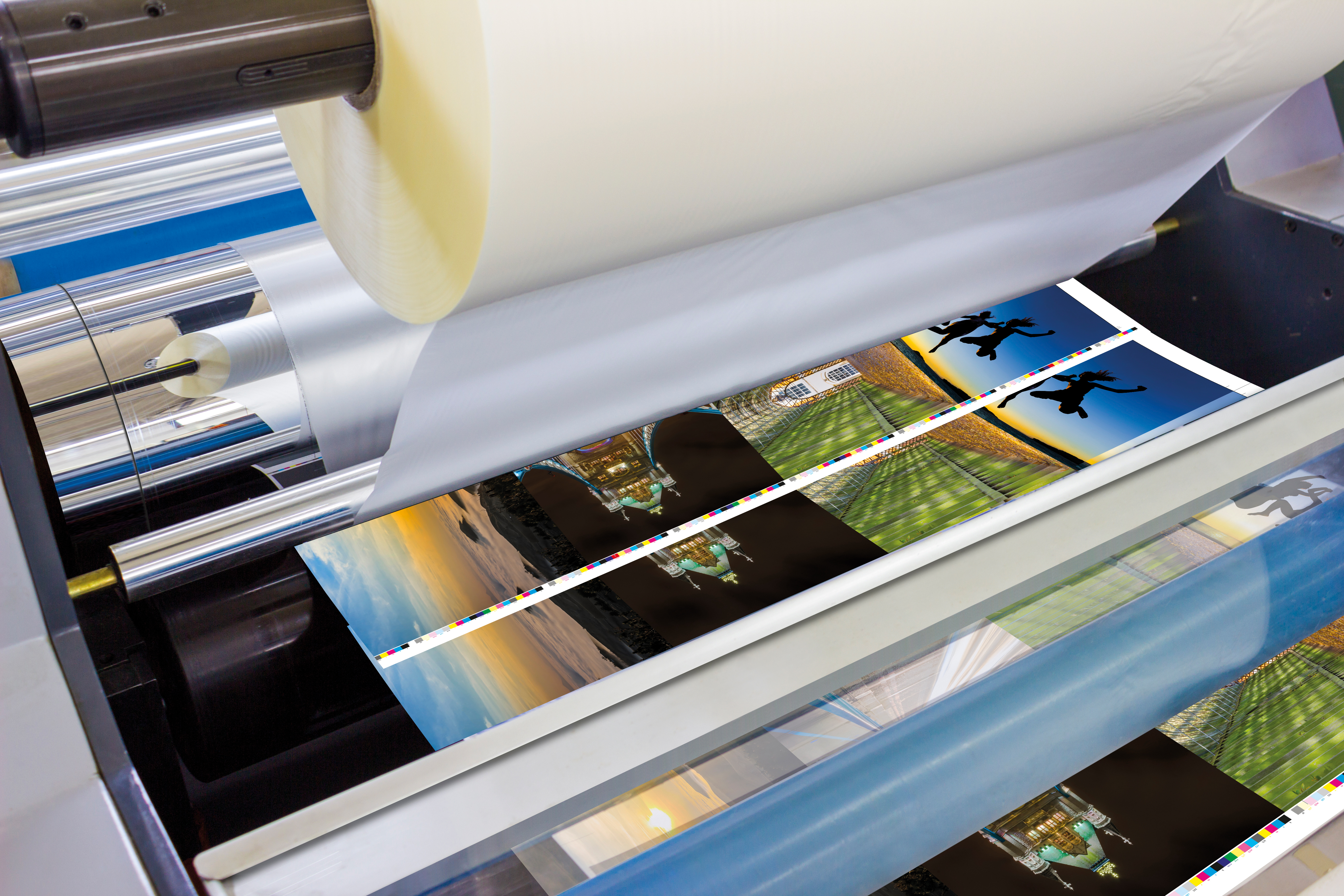
Thermal lamination films provide lasting protection for printed surfaces in a wide variety of paper-based products, such as important documents or product labels. Damage from moisture and other environmental influences is prevented, while end products’ durability and appearance are enhanced.
Applied in many industries
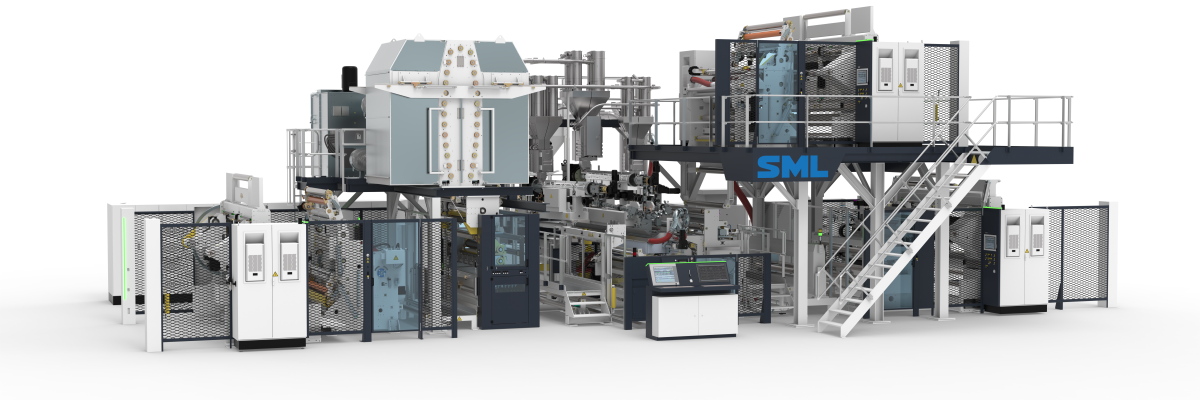
Over the last few decades, thermal lamination films have evolved into true all-rounders. They are now indispensable in all industries - from medicine and education to the food service sector and much more. SML serves all these industries with its customised extrusion coating and lamination lines, meeting the high-quality requirements of the end products. Yet how is a thermal lamination film actually structured and what is important in terms of its manufacturing?
The thermal lamination process
In general terms, thermal lamination is a process which uses heat and pressure to fuse a layer of protective film onto a paper or plastic substrate. The protective, thermal lamination film is basically a two-layer structure, which ensures the necessary durability and transparency. In this context, the outer layer is typically made of (BO)PET film, which provides scratch resistance and UV protection. At the same time, the extrusion coated and heat-activated adhesive inner layer securely bonds paper and common substrates/materials. When heated to 100–150°C the active adhesive layer changes into a viscous phase and thus permits mechanical bonding to the paper under compression.
Melt homogeneity matters
The manufacturing of the thermal lamination film plays a key role in the quality of the end product, as any contamination and surface defects in the adhesive layer coated on the carrier film inevitably become visible after the final lamination process. “An excellent melt homogeneity of the typically EVA-based adhesive layer, combined with very fine melt filtration and an optimal surface structure on the cooling roller, is essential,” Johannes Danter, Product Manager at SML explains.
“With our extensive experience in extrusion coating and laminating of a wide range of substrates and gauges, we are able to configure the optimal machine to meet even the most specific demands in thermal lamination,” Johannes Danter concludes.
Redlham, 19.05.2026